conservation • aviation • creation
Connecting humanity to our wild world
Using art, science, and aerial logistics to ensure wild places are felt, understood, and protected.
Discover The Living CompassOur three core pillars
A unified operational triad connecting empirical research, aerial logistics, and creative media.
01. Conservation
Driven by empirical research and health frameworks. Fostering lifelong stewardship through child-led natural history archives and ecological monitoring.
02. Aviation
Providing essential low-impact aerial logistics, remote wilderness access, and pilot environmental training across fragile terrains.
03. Creation
Amplifying global conservation impacts through high-aesthetic visual storytelling, field journal publications, and evocative films.
Scientific rationale & research opportunity
Empirical evidence driving our expeditionary field science framework.
Research confirms that simple exposure to nature is distinct from developing an internalized, affective relationship with it (Keith et al., 2022; Barrable & Booth, 2020). Active, goal-oriented nature experiences correlate directly with strong environmental self-identity and long-term conservation behaviors (Otto & Pensini, 2017). Journaling, drawing, tracking, and storytelling deepen place attachment, while genuine participation in ecological inquiry strengthens a child’s sense of agency (Brindal, 2023; Ballard, Dixon & Harris, 2017). Current literature explicitly calls for experimental research investigating which specific childhood field interactions drive lasting stewardship (Liu & Green, 2024; Świątkowski et al., 2024).
To better understand and operationalize this phenomenon, The Living Compass Initiative addresses a critical opportunity in scientific conservation: while billions are spent monitoring degraded biomes, little empirical research explores how to systematically cultivate the internal developmental architecture of the human beings who will inherit them—starting during early childhood (ages 5–8), when neuroplasticity and sensory receptivity are at their lifetime peak (Weeland et al., 2019).
Grounded in pediatric occupational therapy practice and remote expedition logistics, The Living Compass Initiative establishes a universal, borderless framework for developing young explorers and self-sustaining explorer ecosystems committed to global conservation. By inviting youth into wilderness landscapes as active co-investigators alongside conservationists, indigenous trackers, and field scientists, this pilot in Kenya tests a multi-tier model across three distinct developmental stages, creating a scalable blueprint for lifelong nature connectedness across biomes worldwide.
Cohort 1
Ages 5–8 • Early childhoodFocusing on foundational sensory integration, innate curiosity, and peak neuroplasticity in field exploration.
Cohort 2
Ages 8–11 • PrimaryDeveloping spatial autonomy, field journaling, analogue navigation, and systematic species tracking.
Cohort 3
Ages 12–16 • Early adolescenceCultivating ecological leadership, co-investigation alongside field scientists, and community stewardship.
The Living Compass Initiative
Awakening innate curiosity and belonging through structured, expeditionary nature engagement for youth and the inner child in all of us.
explore • learn • belong
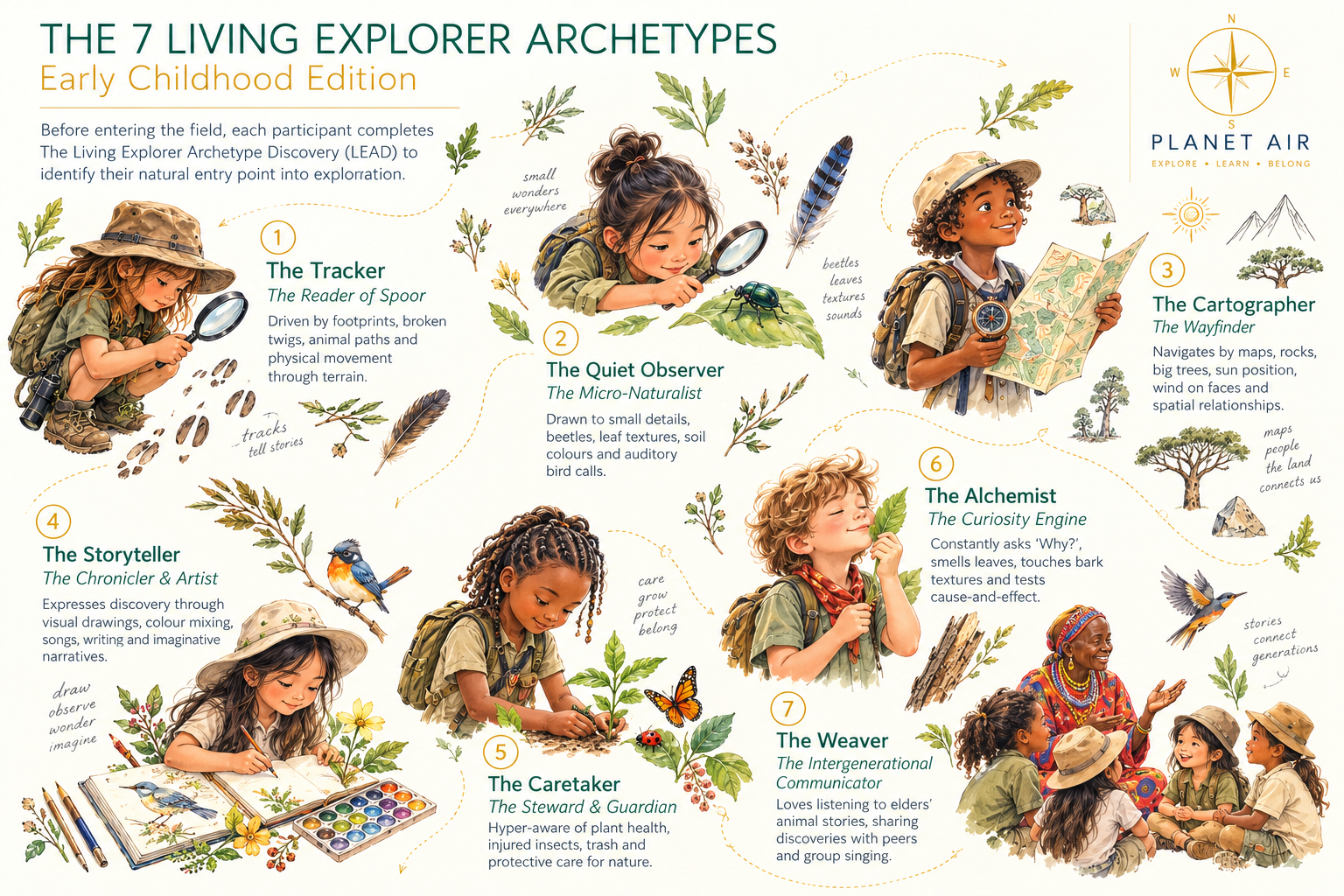
The 7 living explorer archetypes (LEAD)
Discovering each participant’s natural sensory entry point into field science.
The tracker
Driven by footprints, broken twigs, animal paths, and physical movement through terrain.
The quiet observer
Drawn to small details, beetles, leaf textures, soil colours, and auditory bird calls.
The cartographer
Navigates by maps, rocks, big trees, sun position, wind on faces, and spatial relationships.
The storyteller
Expresses discovery through visual drawings, colour mixing, songs, writing, and imaginative narratives.
The caretaker
Hyper-aware of plant health, injured insects, trash, and protective care for nature.
The alchemist
Constantly asks ‘Why?’, smells leaves, touches bark textures, and tests cause-and-effect.
The weaver
Loves listening to elders’ animal stories, sharing discoveries with peers, and group singing.
Measuring real impact
Grounded in a clinically informed health and developmental framework designed to evaluate genuine human growth, environmental stewardship, and developmental wellbeing over time.
Nature connectedness
- NR-6 & INS scales: Quantifying long-term shifts in environmental connection and self-nature overlap.
- Pro-environmental behaviors: Tracking participant initiatives in local conservation, seed collection, and habitat restoration.
- Inclusion of nature in self: Measuring emotional connection and felt kinship with wild species and ecosystems.
Spatial autonomy
- Wayfinding confidence: Assessing physical navigation competence using terrain, horizons, and sun position without digital reliance.
- Expanded movement perimeters: Documenting self-directed exploration range and outdoor independence.
- Environmental hazard literacy: Evaluating risk assessment skills and comfort in unmanaged natural settings.
Health & well-being
- Emotional regulation: Observing reductions in stress and enhanced physiological calm during field immersion.
- Sensory integration & resilience: Strengthening tactile, auditory, and visual processing through multi-sensory field science.
- Innate sense of belonging: Fostering a grounded sense of place, awe, and curiosity for youth and the inner child in all of us.
Visual field journal
Capturing the art and empirical science of the wild across multi-sensory modalities—integrating visual illustration, auditory recording, field note sketching, and physical spoor tracking.
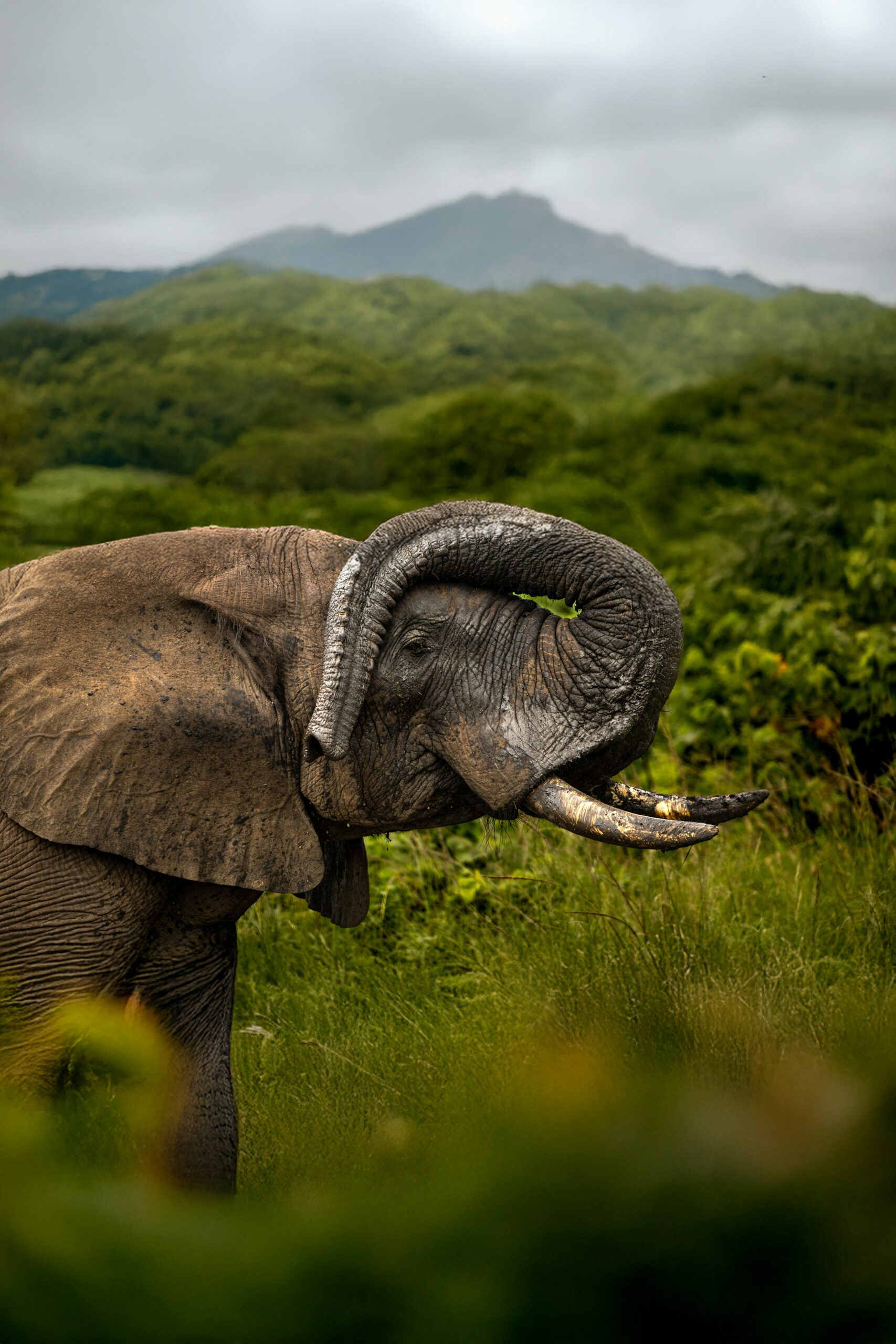
African elephant
Loxodonta africana
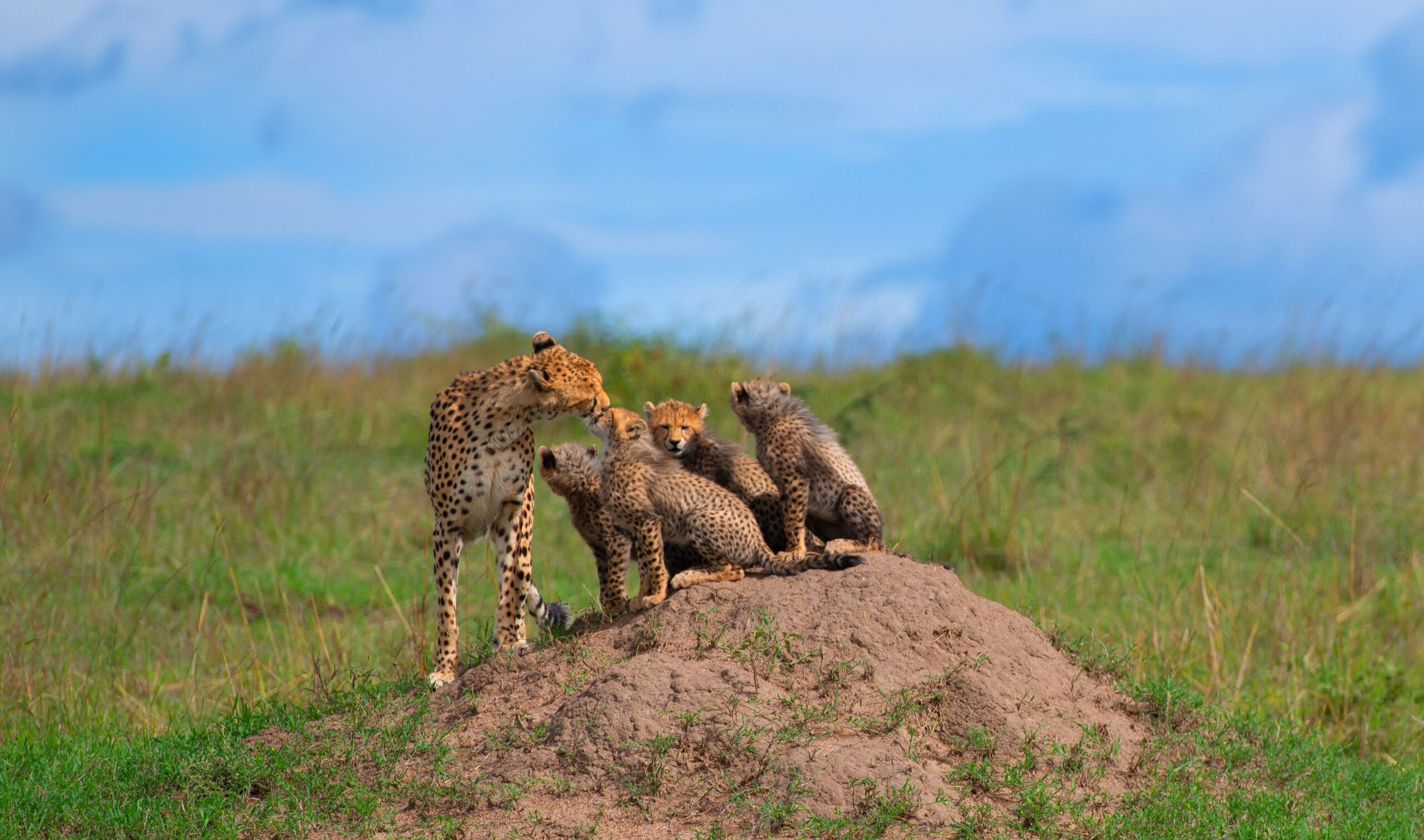
Cheetah
Acinonyx jubatus
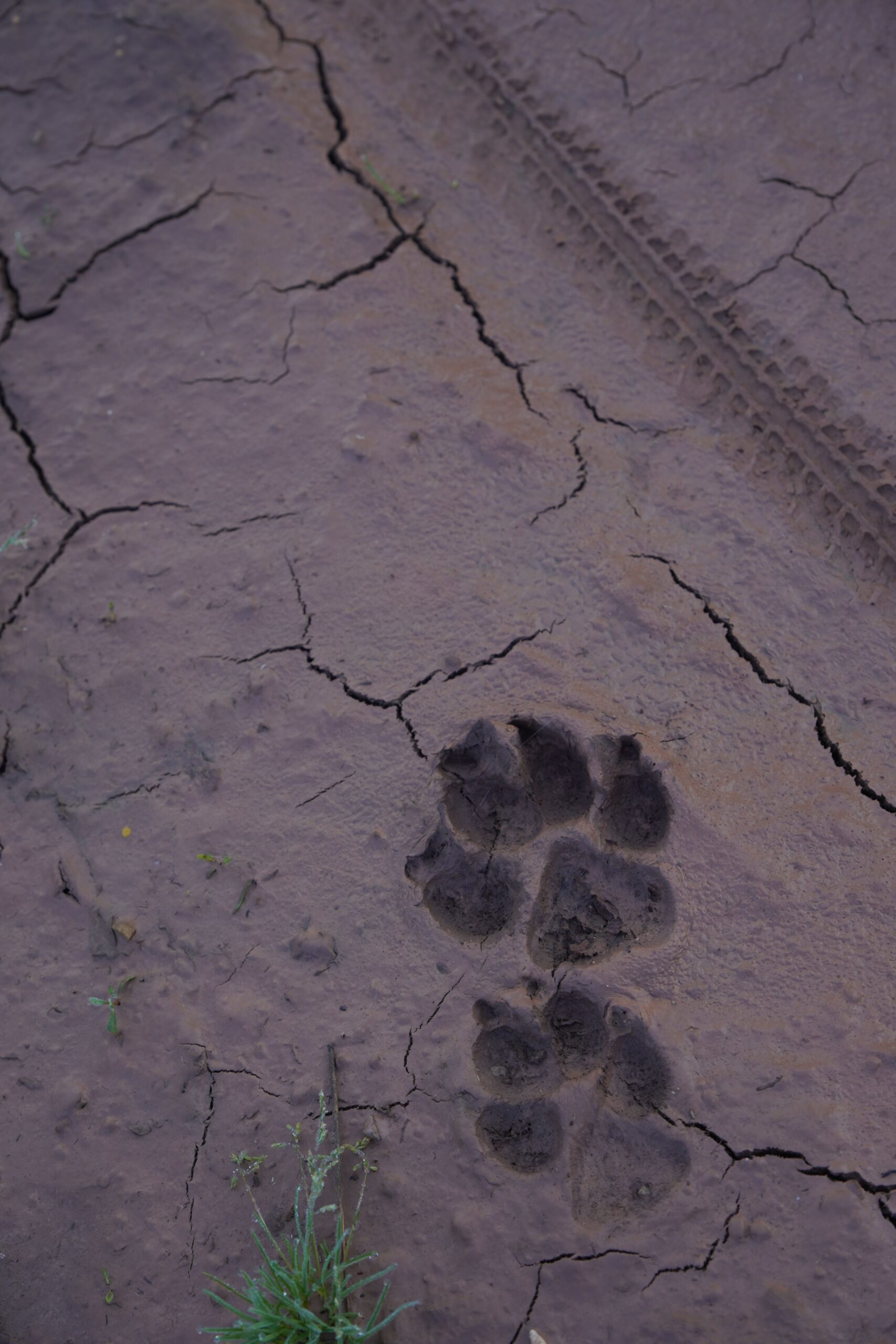
Tracks & spoor
Tactile & visual identification
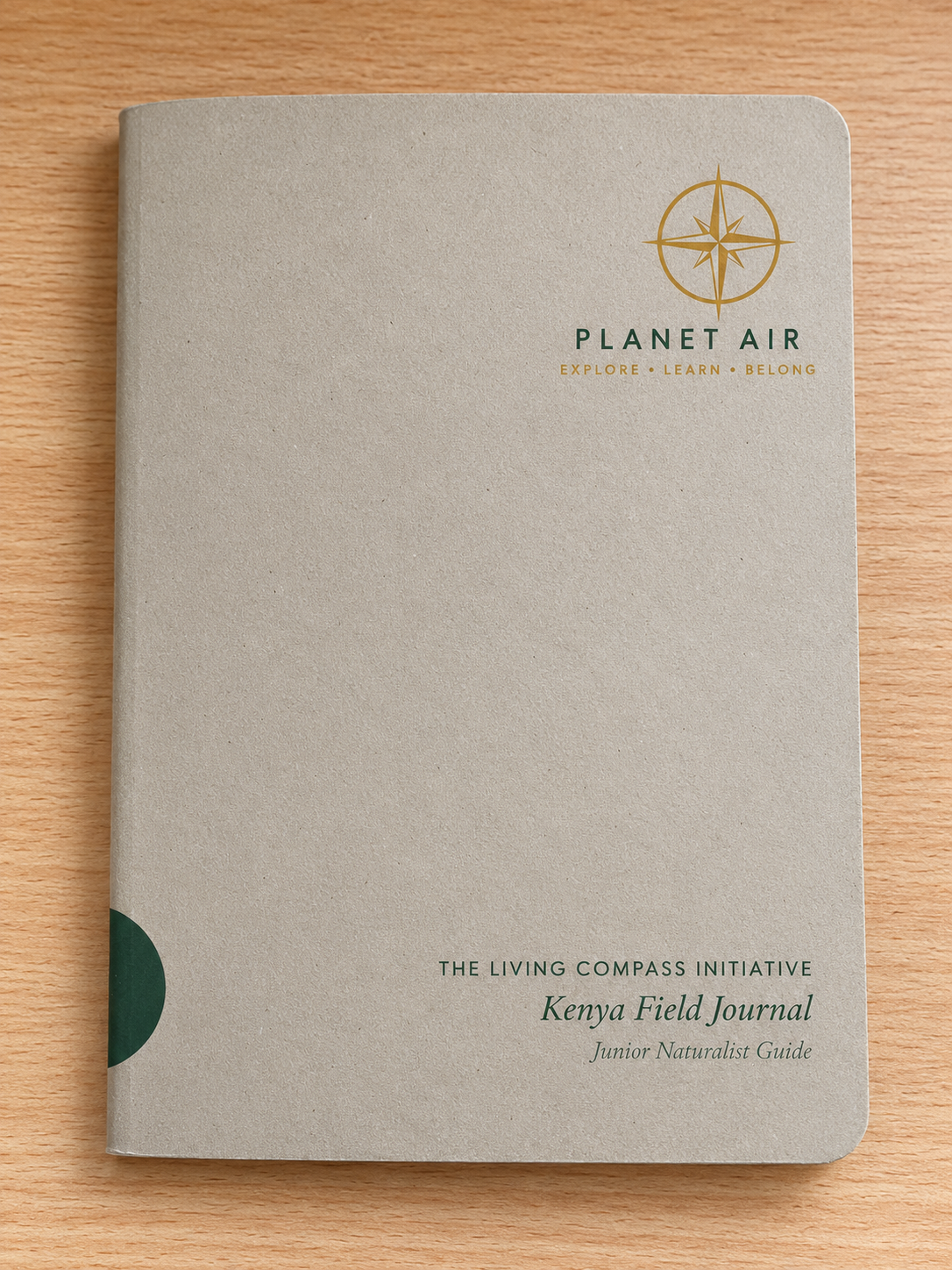
Kenya field journal
Junior naturalist guide
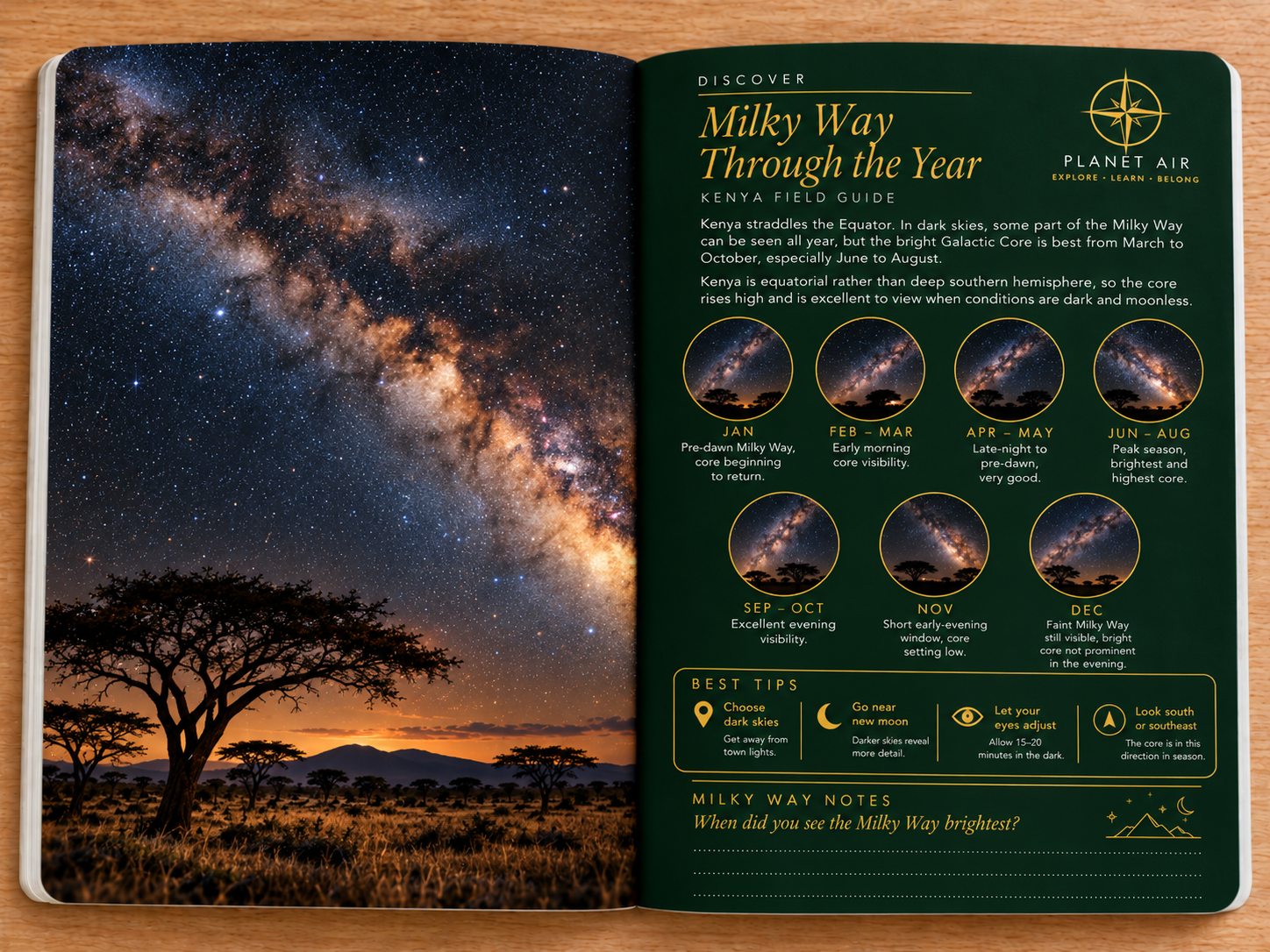
The night sky & soundscapes
Auditory & astronomical field notes
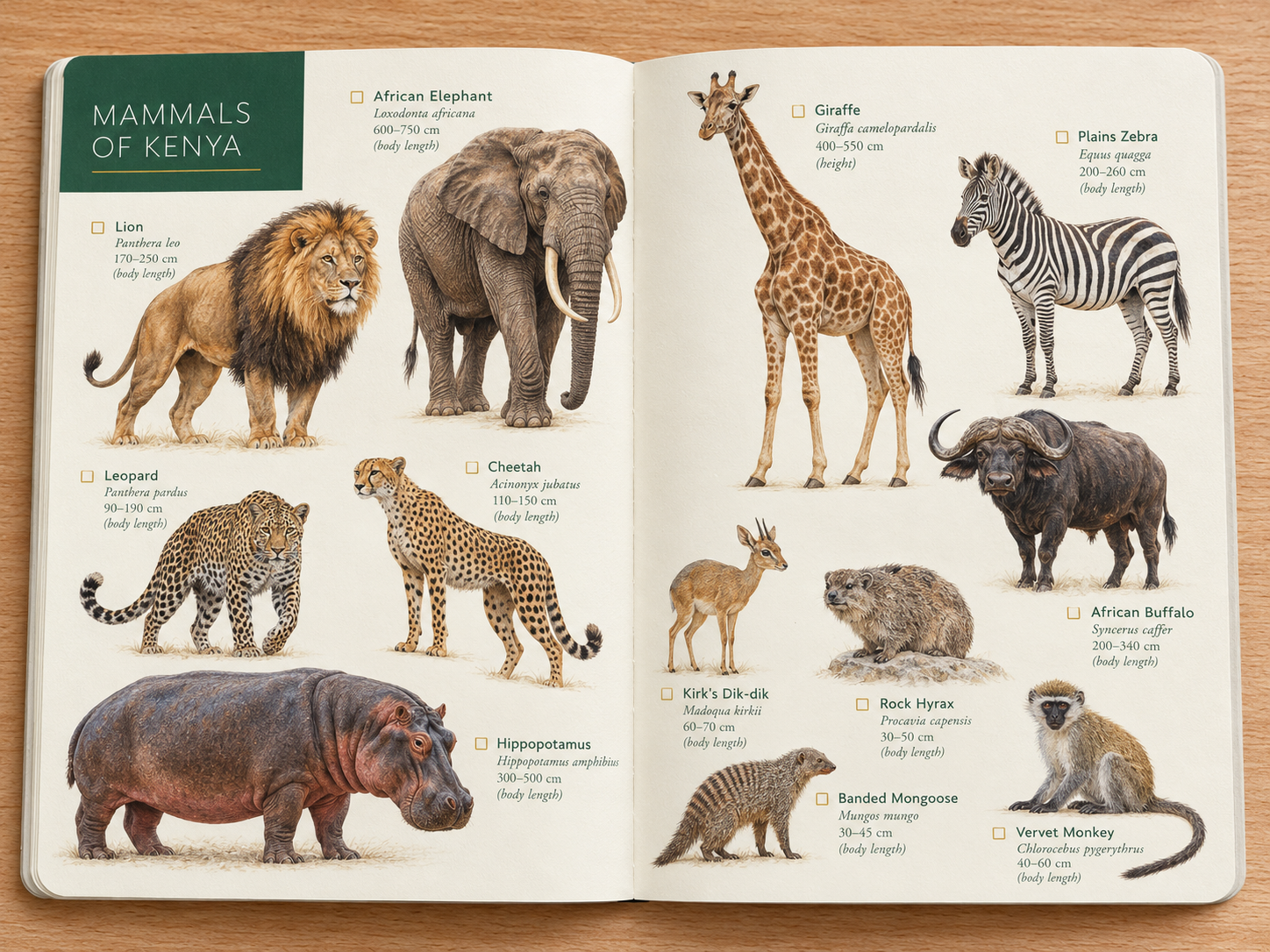
Mammals of Kenya
Illustrated field naturalist spread
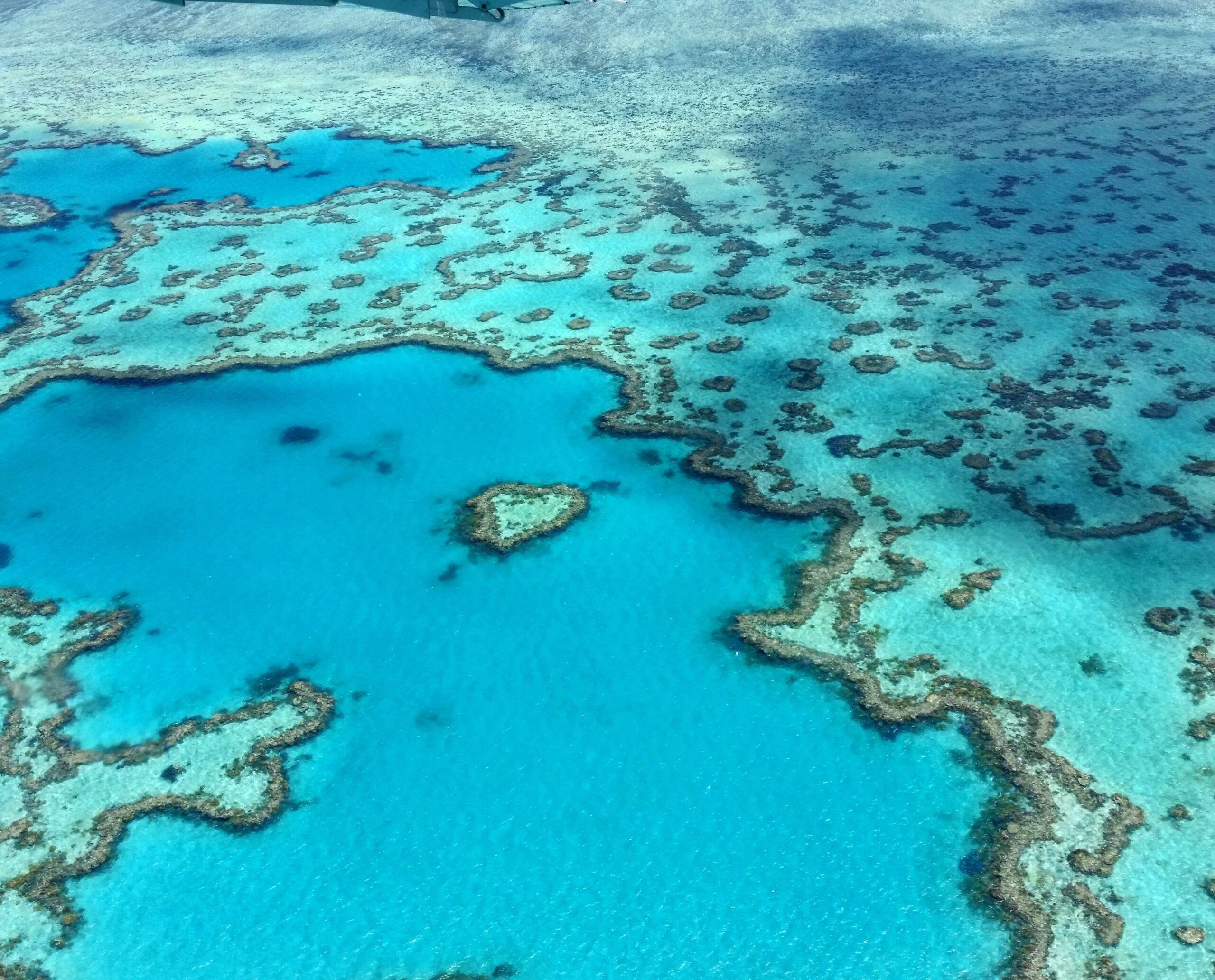
Ocean exploration & protection
Expanding our field stewardship to coastal and marine environments—celebrating aquatic biodiversity through exploration, knowledge, and action.
Thriving oceans • brighter futures
Get involved
Partner with us to advance pediatric field science, community-led conservation, and expeditionary research across global biomes.
Children & youth referrals
Children can be referred to our specialized programs and field exploration. As an AHPRA-registered pediatric practice, we deliver structured pediatric fieldwork using our clinical framework worldwide, supported by international referral networks.
NGOs & field partners
Our work is rooted in genuine community and shared vision. If you represent an NGO, conservation organization, aviation team, or creative agency, we invite you to collaborate and build alongside us.
Governments & funding bodies
We welcome visionary leaders, research sponsors, and institutional supporters who share our mission. Connect with us to help scale our framework and empower young stewards worldwide.
Leadership & research team
Combining pediatric occupational therapy, remote expedition aviation, and field conservation.
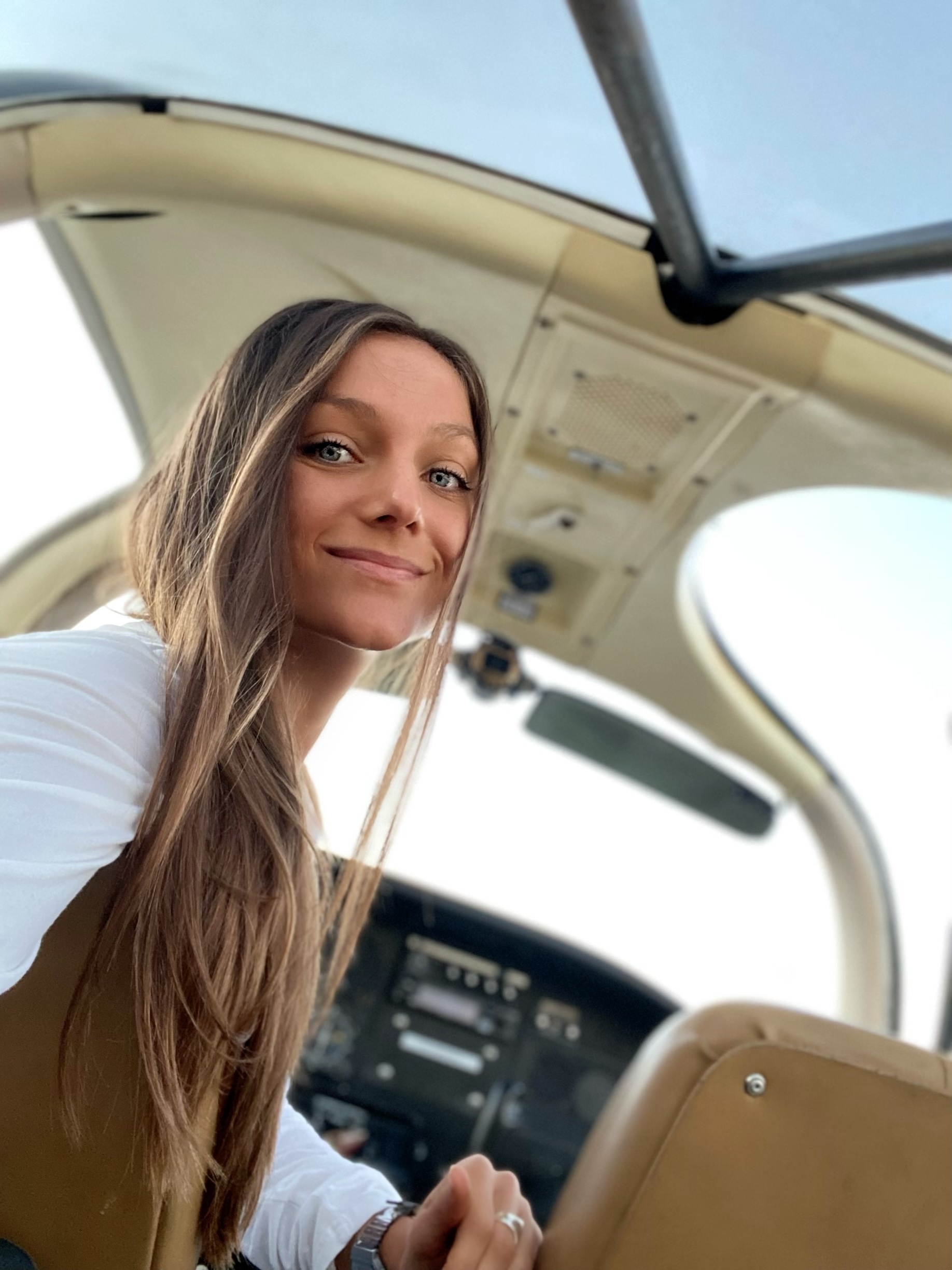
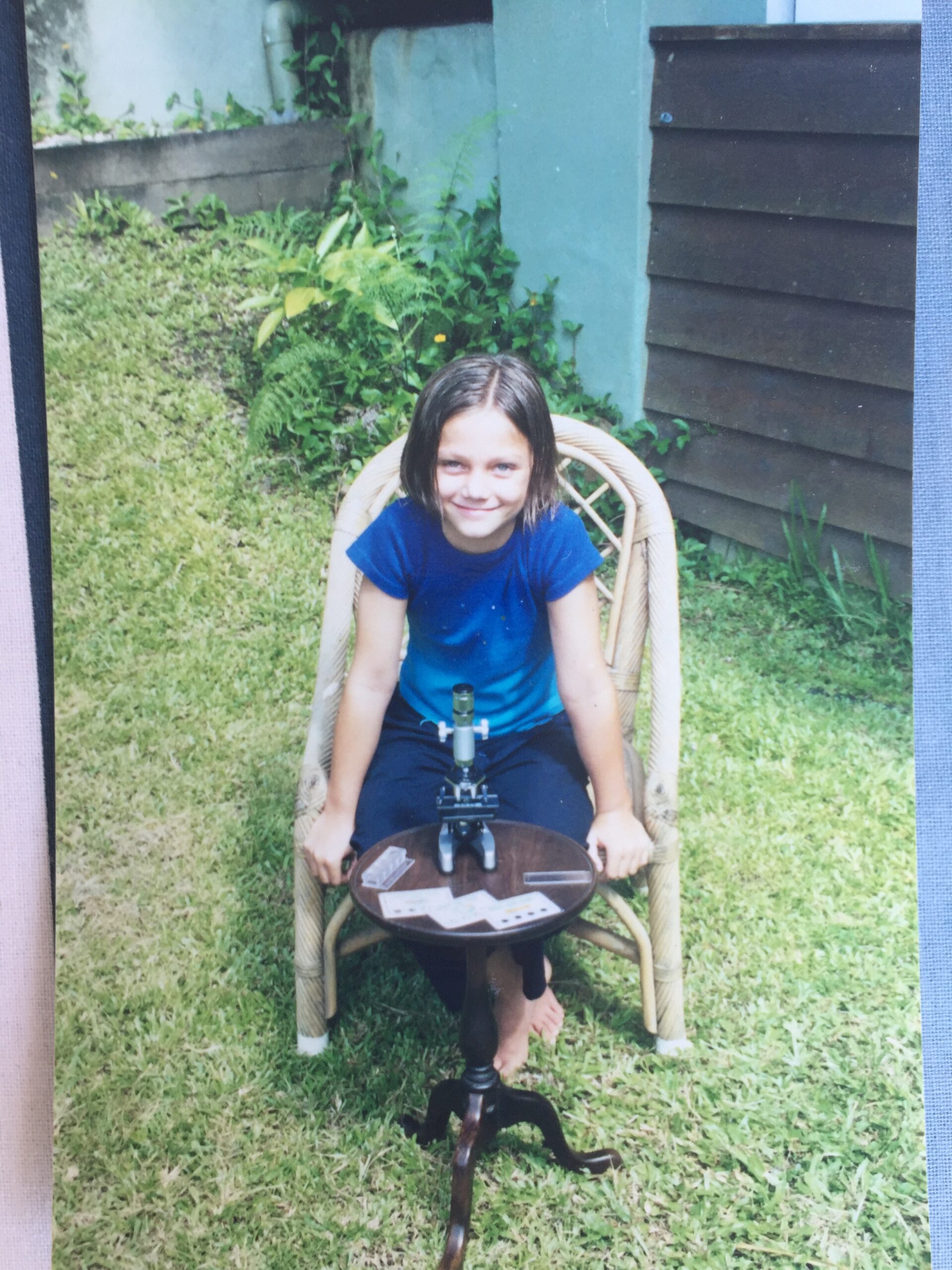
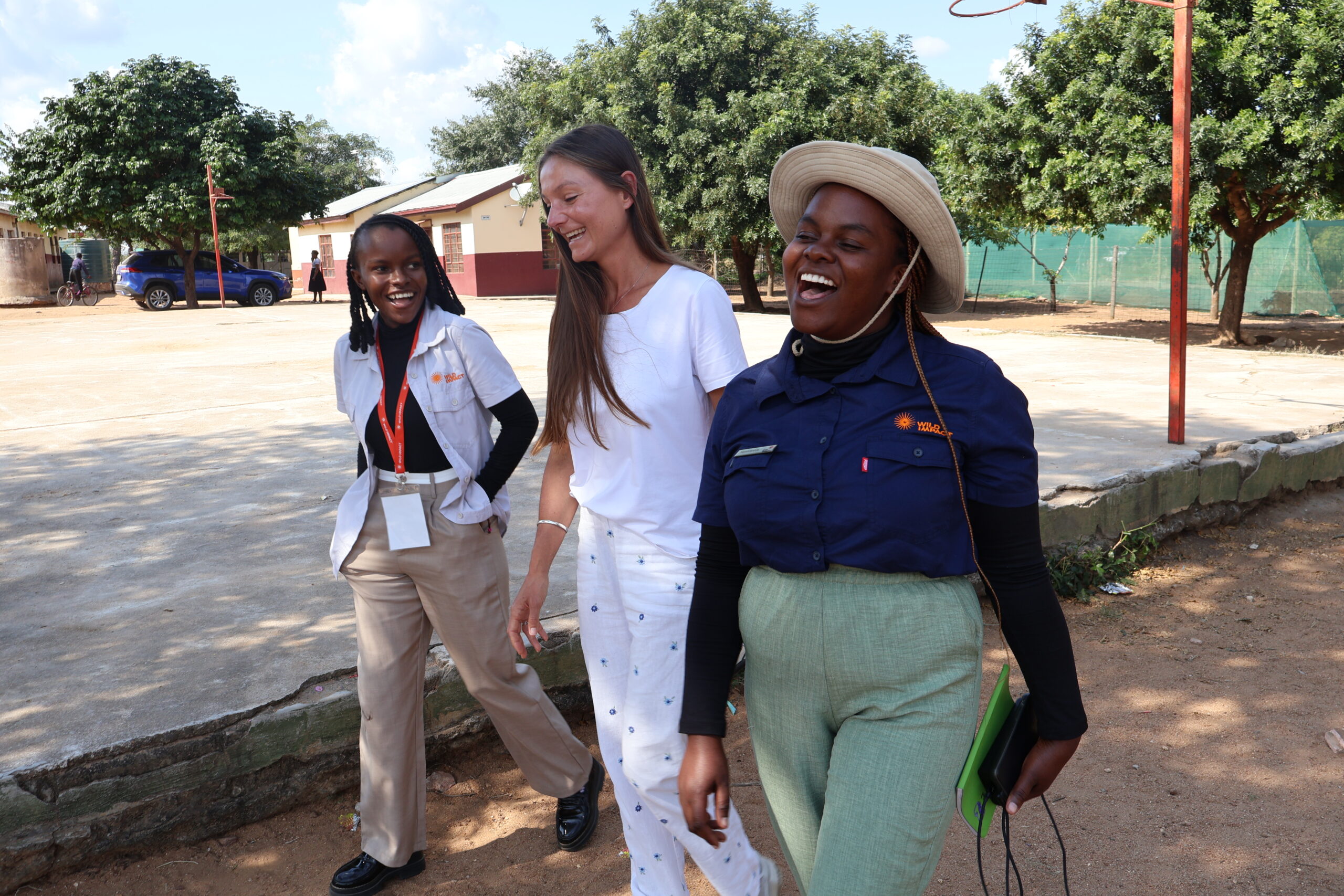
Sylvie de Swardt, B.Occ.Thy (Hons)
Born in Australia’s Daintree Rainforest—the oldest continuously living rainforest on Earth—and raised where the canopy meets the Great Barrier Reef, Sylvie was shaped by two adjacent UNESCO World Heritage sites. As a young girl, she experienced the wild world directly through wonder and curiosity, and is devoted to nurturing that same opportunity for upcoming generations.
Holding an Honors degree in Occupational Therapy specializing in pediatric practice, Sylvie has spent over a decade collaborating with international leaders on complex global health solutions. Blending developmental expertise and sensory integration with remote field operations, she reconnected with her exploratory roots as an expedition pilot—completing two field seasons in Antarctica and remote logistics missions across Africa alongside scientists, humanitarians, and field conservationists.
Through Planet Air Group and The Living Compass Initiative, Sylvie bridges science, aerial logistics, and art to build universal, borderless frameworks that empower young people as co-investigators of our living planet.